2016-2017 Senior Project - Incident Priority Emergency Area Response (iPear)

Project Title

When dialing 9-1-1 from a cell phone, there is currently a lack of location data being sent to dispatch centers, or incorrect location data is being sent; usually the location of the cell tower is sent instead of the cell phone. This problem is increasing the response time of emergency first responders and causing a higher risk of complications to those having an emergency.

iPear is designed to meet this challenge head on, not only by collecting location information (coordinates and elevation) during an incident, but also by allowing users to input a comprehensive personal record. This personal record includes anything from medical history and medications, to animals in the home, to emergency contacts. The information provided by iPear will better equip emergency first responders for when they arrive on scene.


Team Members

Alex Yang

aey25@drexel.edu

Austin Schaeffer

als427@drexel.edu

Chris Ozgar

cjo42@drexel.edu

Daniel Lopez

dml338@drexel.edu


Nathan Andrews

npa27@drexel.edu

Nina Huenke

nkh29@drexel.edu

Screenshots

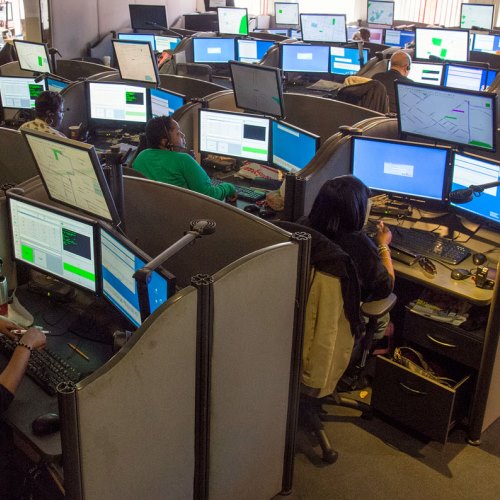
iPear integrates with CAD


iPear integrates with the computer-adided dispatch software used by 9-1-1 dispatch centers. This allows the information in our system to be included in the data passed along to first responders. The personal record and GPS data provided by iPear allows first responders to be prepared as possible.

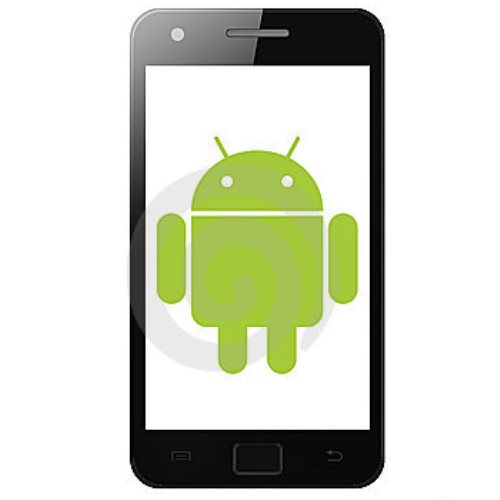
iPear runs on Android


The iPear app runs on Android phones and is used to provide the most accurate location data possible. This data allows first responders to know your precise location, rather than the location of your nearest cell phone tower as is often the case currently.

Behind the Scenes

Alex Zausner - CHOP

External Stakeholder
Alex Zausner - The Children's Hospital of Philadelphia

zausnera@email.chop.edu

http://www.chop.edu/